The blueprint behind GreenNet
The Green Book and Why It Still Matters
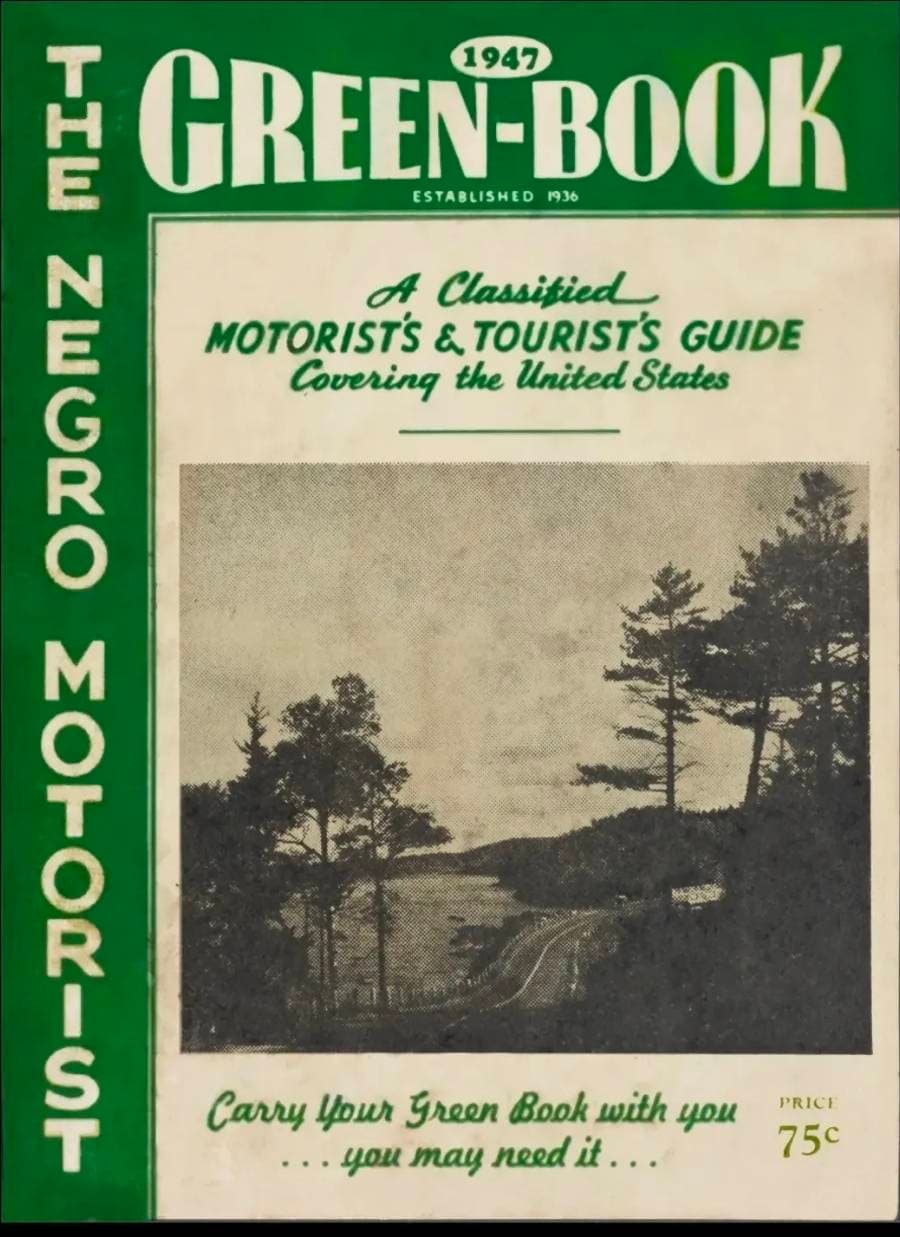
To really understand what GreenNet is building in 2026, you have to understand the original blueprint it comes from: The Negro Motorist Green Book.
What began as a printed travel guide became a trusted community tool. It helped Black families move through America with more confidence, more information, and more connection during a time when safety could never be assumed.
The Original Idea: 1936–1966
More than a book. A survival tool.
The Green Book was created by Victor Hugo Green in 1936 during segregation. It was far more than a directory. It was a practical tool for survival, dignity, and movement in a country where Black travelers often faced discrimination, humiliation, and danger.
It listed safe Black-friendly businesses, including hotels, restaurants, gas stations, and other trusted stops.
It helped African Americans avoid danger, discrimination, and violence while traveling.
It supported and promoted Black-owned businesses by directing community dollars toward trusted places.
It created a network of reliable locations across the country during a time when Black travelers could not safely go just anywhere.
A map of safety and opportunity
At that time, Black travelers could not simply trust that every town, hotel, restaurant, or roadside stop would welcome them. The Green Book helped people plan ahead. It gave families a way to travel with more clarity and less uncertainty.
Just as important, it strengthened Black economic life. Every listing represented a place where Black people could be served, respected, and supported. The book made it easier for communities to find one another and circulate resources with intention.
In that sense, the Green Book was not only about movement. It was about connection, trust, protection, and ownership. It turned information into access.
How GreenNet carries that legacy forward
GreenNet is the modern digital continuation of that spirit. Where the original Green Book used print to connect Black travelers with trusted places, GreenNet uses the web to connect people with Black-owned businesses across cities, states, countries, and eventually the world.
The mission is similar: make discovery easier, increase visibility, support Black business growth, and create a trusted network people can return to again and again. The format has changed, but the purpose is deeply connected to the same idea.
GreenNet is not trying to copy history lightly. It is honoring a legacy of resilience and turning that legacy into a modern platform for economic connection, cultural visibility, and community support.
From the Green Book to GreenNet
The original Green Book gave Black travelers a printed guide to safety and trusted community. GreenNet brings that same spirit into a digital future by helping people discover, support, and invest in Black-owned businesses with intention.